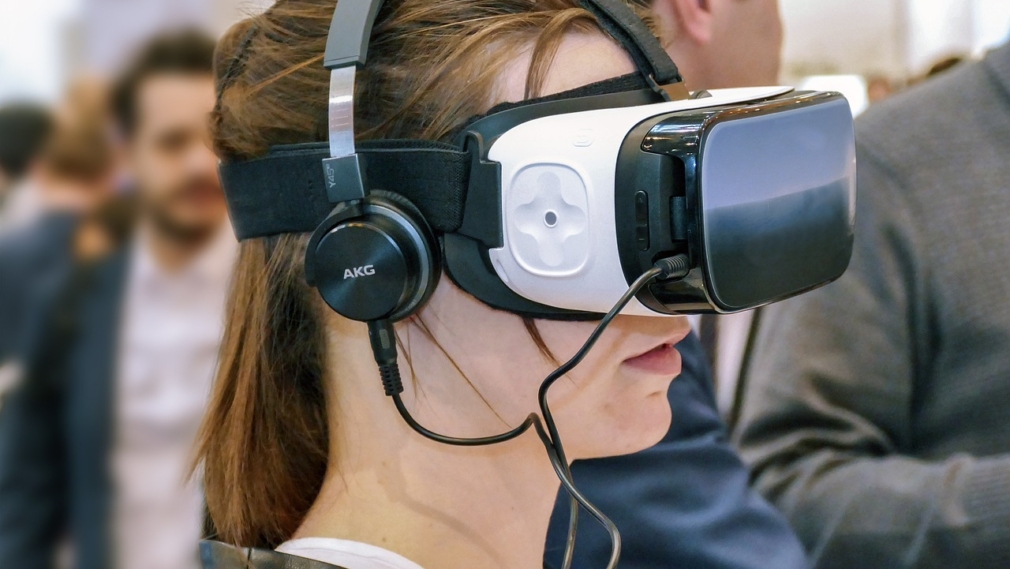
The rapid advancement of technology is redefining how we experience travel. Virtual tourism, an emerging industry fueled by innovations in virtual reality (VR), augmented reality (AR), and immersive media, allows people to explore iconic destinations and hidden gems without leaving their living rooms. As travel becomes more challenging due to environmental concerns, global pandemics, and rising costs, virtual tourism offers an exciting, sustainable alternative.
What Is Virtual Tourism?
Virtual tourism uses digital technology to simulate the experience of visiting real-world locations. Through VR headsets, AR apps, or 360-degree videos, users can explore landmarks, museums, natural wonders, and even outer space. Unlike traditional media, these immersive experiences replicate the feeling of being there in real time.
Key Features of Virtual Tourism
- Customization: Personalized tours allow users to focus on specific interests, from art history to wildlife.
- Immersion: High-quality visuals, spatial audio, and interactive elements create a lifelike experience.
- Accessibility: Virtual tourism removes barriers like cost, mobility issues, and geographical distance.
How Virtual Tourism Works
1. Virtual Reality (VR)
- VR headsets like the Oculus Quest and HTC Vive transport users into fully immersive environments.
- Example: The Louvre Museum offers a VR tour where users can examine the Mona Lisa up close, with narrated insights about its history.
2. Augmented Reality (AR)
- AR overlays digital elements onto the real world using smartphones or AR glasses.
- Example: Google’s AR-supported Arts & Culture app lets users explore detailed 3D models of ancient artifacts.
3. 360-Degree Videos
- Available on platforms like YouTube, these videos provide panoramic views of destinations, accessible with or without VR gear.
- Example: National Geographic’s 360-degree videos take viewers to remote locations like Antarctica and the Amazon rainforest.
The Benefits of Virtual Tourism
1. Sustainable Travel
- Reduces carbon emissions from air travel, which account for 2.5% of global CO₂ emissions.
- Promotes preservation by minimizing human impact on fragile ecosystems.
2. Economic Opportunities
- Virtual tourism creates new revenue streams for travel agencies, museums, and cultural institutions.
- Example: Tourism-dependent economies like Thailand and Italy have adopted virtual tours to sustain interest during travel bans.
3. Accessibility for All
- Opens travel experiences to people with physical disabilities, financial constraints, or time limitations.
- Example: A study showed that 68% of disabled respondents found virtual tours to be an empowering way to experience the world.
Innovative Applications of Virtual Tourism
1. Historical Recreation
- Virtual tourism can reconstruct historical sites and events.
- Example: Ancient Rome is brought to life through immersive VR experiences, allowing users to walk through the Colosseum as it stood 2,000 years ago.
2. Wildlife Safaris
- VR experiences like WildEarth bring users face-to-face with wildlife, replicating African safaris without disturbing animals or habitats.
3. Space Exploration
- NASA’s “Access Mars” VR experience lets users explore the Martian surface using real data from the Curiosity rover.
4. Education and Cultural Exchange
- Schools and universities use virtual tours to teach geography, history, and art.
- Example: Students can virtually visit the Great Wall of China or tour Van Gogh’s Starry Night at the MoMA.
Challenges and Limitations
1. Technology Access
- High-quality VR headsets remain expensive, with prices ranging from $300 to $1,000, limiting widespread adoption.
2. Lack of Authenticity
- While immersive, virtual tourism lacks the sensory experiences of real travel, such as tasting local cuisine or feeling the environment.
3. Infrastructure and Content Development
- Creating accurate, high-quality VR and AR experiences requires significant investment and expertise.
Virtual Tourism in Numbers
- The global virtual tourism market was valued at $4.1 billion in 2023 and is projected to reach $25 billion by 2030.
- 48% of millennials expressed interest in virtual tourism as a way to explore destinations before booking real trips.
- Over 2,000 virtual experiences are now available on platforms like Airbnb Experiences and Viator.
Future Trends in Virtual Tourism
1. AI-Powered Personalization
- AI will enable hyper-personalized virtual tours tailored to individual preferences and learning styles.
- Example: An AI guide could adapt its narration based on a user’s interests, offering detailed insights into art, architecture, or history.
2. Haptic Feedback and Sensory Technology
- Emerging technologies will simulate touch, smell, and temperature, making virtual tourism even more immersive.
3. Mixed Reality Experiences
- The integration of AR and VR with real-world travel could create hybrid tourism experiences.
- Example: Tourists could use AR glasses to see historical reconstructions while walking through modern ruins.
4. Blockchain in Virtual Tourism
- Blockchain will enable secure, transparent transactions for virtual tours, ticketing, and virtual property ownership.
Real-World Success Stories
1. Machu Picchu Virtual Tour (Peru)
- A VR tour launched in 2022 allows users to explore the Incan citadel in detail, complete with expert commentary and 3D reconstructions.
2. Dubai 360
- This platform offers 360-degree tours of Dubai’s iconic landmarks, including the Burj Khalifa and the Palm Jumeirah, attracting millions of virtual tourists.
3. Museum of Natural History (New York)
- The museum offers VR exhibits that take users on journeys through prehistoric Earth and outer space.
Conclusion: A New Era of Exploration
Virtual tourism is not a replacement for traditional travel—it’s an enhancement. It democratizes access to the world’s wonders, preserves fragile ecosystems, and provides an innovative way to experience the planet in an age where sustainability and accessibility are paramount.
As technology continues to evolve, virtual tourism will become an integral part of our global culture, offering endless opportunities for exploration, education, and connection. The journey to the world’s most incredible destinations is now just a click away.